TMS Rx for Chronic Pain & Fibromyalgia

Understanding Chronic Pain
Chronic pain is a complex condition with both physical and psychological components. It can persist for months or even years, affecting quality of life, sleep, mood, and mobility.
When standard pain treatments such as medications, physical therapy, or nerve blocks fail, a brain-based approach may offer relief.
Research has shown that Transcranial Magnetic Stimulation (TMS) can help reduce pain perception by modulating how the brain processes and interprets pain signals.

How TMS Works for Pain Relief

TMS uses focused magnetic pulses to stimulate the regions of the brain involved in pain perception — primarily the motor and sensory cortices.
This stimulation helps “reset” neural pathways, altering how pain signals are transmitted and perceived throughout the nervous system.
Because depression and chronic pain often occur together, targeting mood-related areas such as the left dorsolateral prefrontal cortex (DLPFC) can further raise pain thresholds and improve overall well-being.
In one study, patients who received a single TMS session immediately after surgery used 50% less self-administered pain medication than those who received a sham (placebo) treatment — demonstrating the direct influence of TMS on the brain’s pain modulation systems.

Conditions That May Benefit from TMS

TMS has shown promising results in a range of chronic pain syndromes, including:

  • Fibromyalgia — widespread musculoskeletal pain, fatigue, and cognitive difficulties
  • Complex Regional Pain Syndrome (CRPS/RSD) — severe chronic pain following injury
  • Phantom Limb Pain — pain perceived in a missing limb after amputation
  • Neuropathic Pain — nerve-related pain caused by diabetes, shingles, or injury
  • Chronic Headache and Migraine — by modulating cortical excitability
For conditions like phantom limb pain, where no physical tissue remains to treat, TMS is particularly valuable because it works directly on the brain’s perception of pain.

Scientific Support

  • Multiple clinical trials demonstrate that repetitive TMS (rTMS) applied to the primary motor cortex (M1) reduces chronic pain intensity and improves function.
  • TMS is thought to enhance endogenous pain control mechanisms, including changes in neurotransmitter activity (glutamate, GABA, and dopamine).
  • Long-term effects can persist weeks or months beyond the active treatment phase, especially when combined with standard rehabilitation therapies.
While TMS is FDA-approved for depression, it is used off-label for chronic pain and fibromyalgia in many specialized centers worldwide.

Benefits of TMS for Chronic Pain

  • Non-invasive, outpatient procedure
  • Medication-free with minimal side effects
  • Reduces pain intensity and improves tolerance
  • Enhances mood and quality of life
  • Safe and well-tolerated — no sedation or recovery time
  • Can complement ongoing physical or behavioral therapy

What to Expect

  • Each TMS session lasts 20–30 minutes.
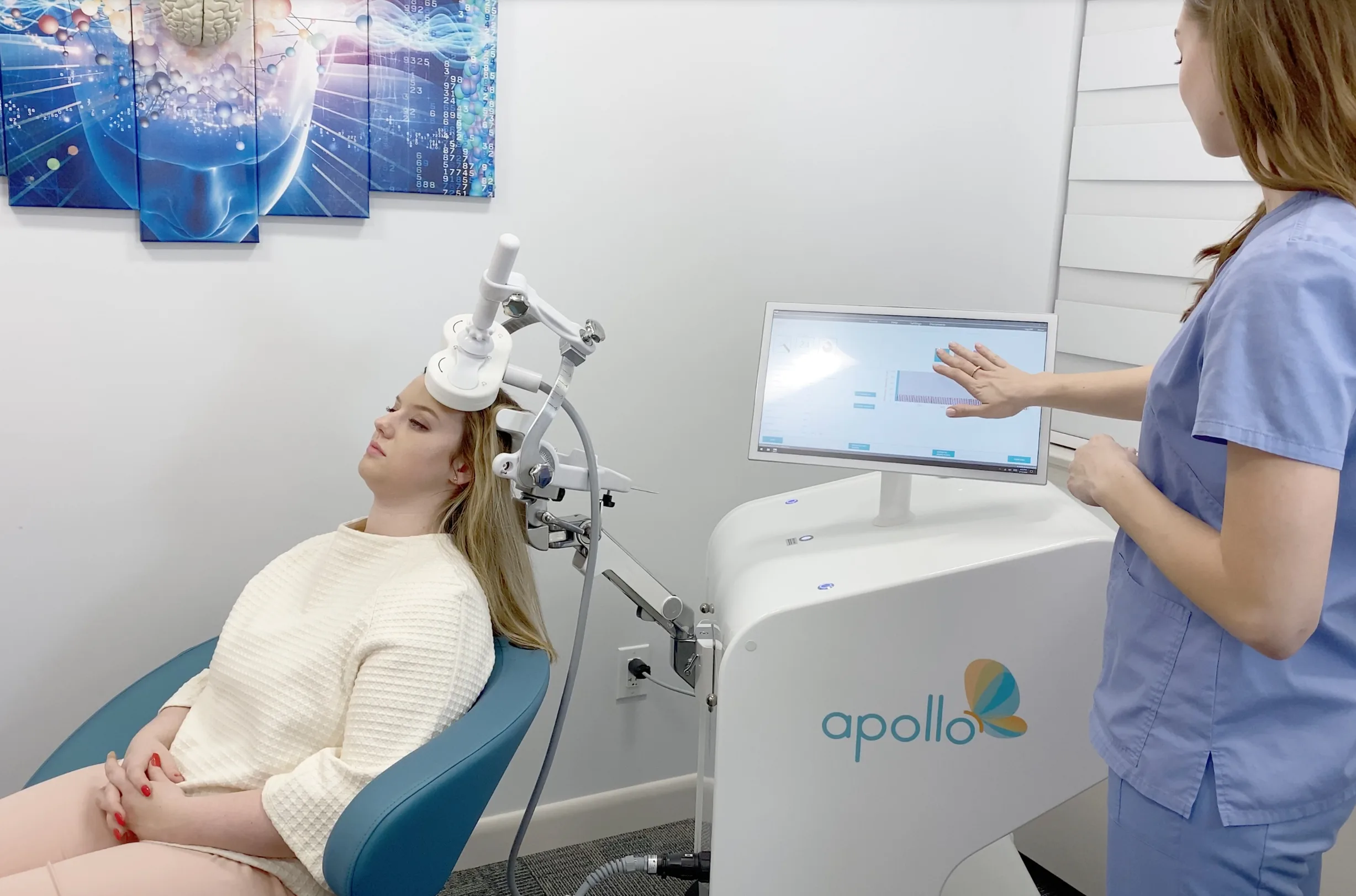
  • You will be seated comfortably while a small magnetic coil is placed over the scalp.
  • You may feel a light tapping sensation as pulses are delivered.
  • Most patients resume normal activities immediately after treatment.
A standard treatment plan involves daily sessions (5 days/week) for several weeks, with gradual improvement typically seen within the first few weeks.

Find Relief Through TMS

If you suffer from chronic pain, fibromyalgia, or neuropathic pain that hasn’t responded to conventional care, TMS may offer a safe and effective new approach to relief.
By targeting pain processing at its source — the brain — TMS helps restore balance, reduce suffering, and enhance daily functioning.

Contact Dr. Gupta’s Sleep, TMS & Wellness Psychiatry in Great Neck, NY to schedule a consultation and learn whether TMS or MeRT therapy could help relieve your pain.