How Does TMS Work?

At Sleep TMS & Wellness Psychiatry, we offer TMS (Transcranial Magnetic Stimulation) treatment, which is FDA-approved, non-invasive, and evidence-based. TMS delivers MRI-strength magnetic pulses to stimulate brain regions considered underactive in depression.

What Happens in the Brain:

TMS triggers a cascade of beneficial biological effects, including:
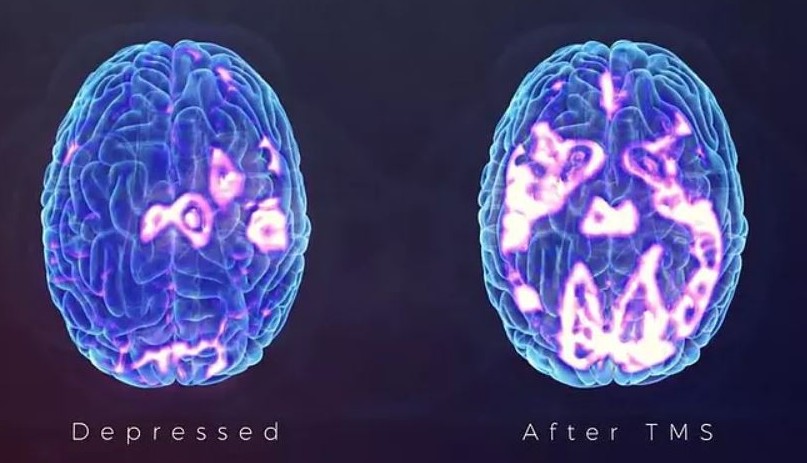
  • Increased blood flow and metabolism in targeted brain regions
  • Regulation of neurotransmitters such as serotonin and dopamine
  • Promotion of neurogenesis (growth of new brain cells) through BDNF upregulation
  • Strengthened neural connections (enhanced neuroplasticity)
  • Structural improvements such as increased gray matter and hippocampal volume
4-fMRI depressed-vs-tms-brain
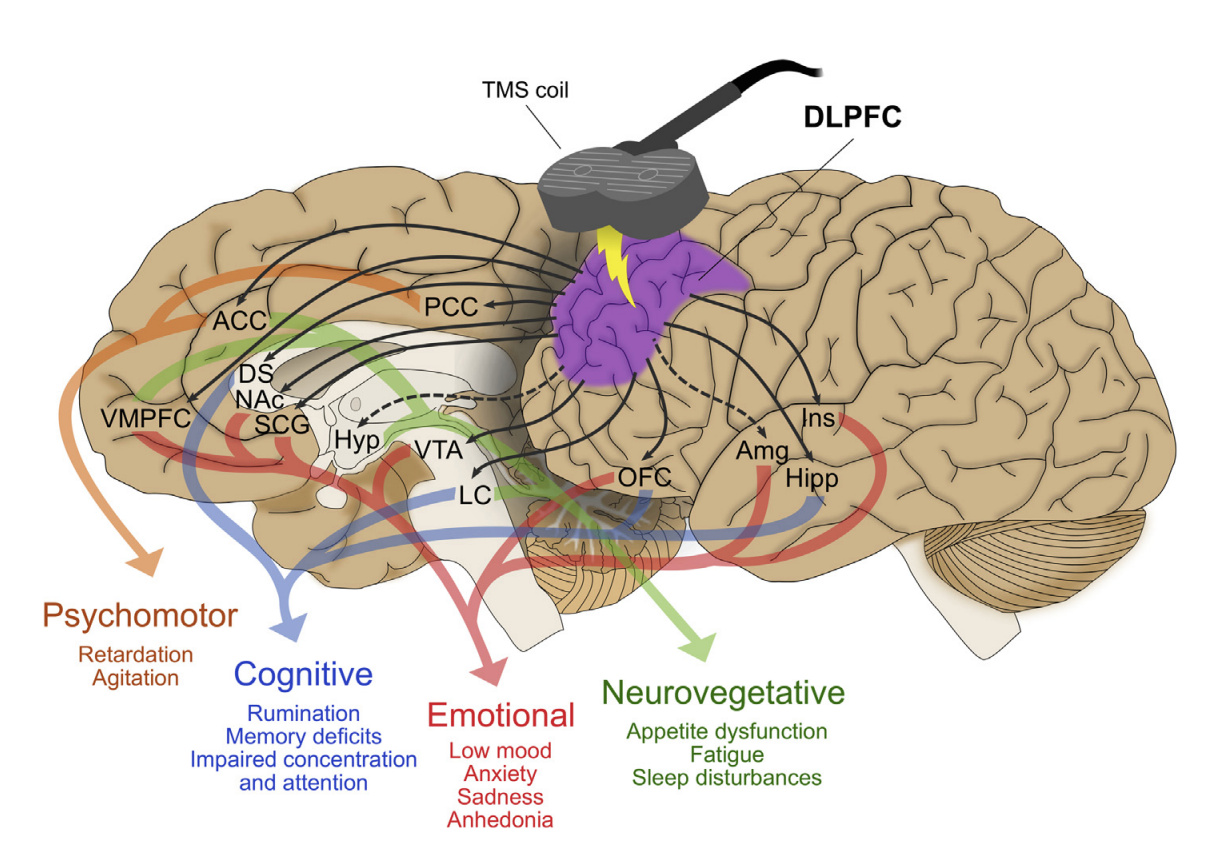
How TMS works on Brain Networks
Although TMS primarily stimulates the prefrontal cortex, its effects extend to deeper mood-regulating areas such as the cingulate, amygdala, hypothalamus, and thalamus — creating a network-wide improvement in emotional function and mental clarity.
Each treatment is comfortable and performed while you’re awake and alert. There’s no anesthesia, no downtime, and no systemic side effects, allowing patients to resume daily activities immediately after their session.