TMS Rx For Psychiatric Disorders

Why Is TMS Effective for Depression?

Major depressive disorder (MDD) affects how you think, feel, and function — often leading to persistent sadness, fatigue, poor concentration, and loss of motivation. Research shows these symptoms stem from altered activity across multiple brain regions that regulate mood and emotional balance.
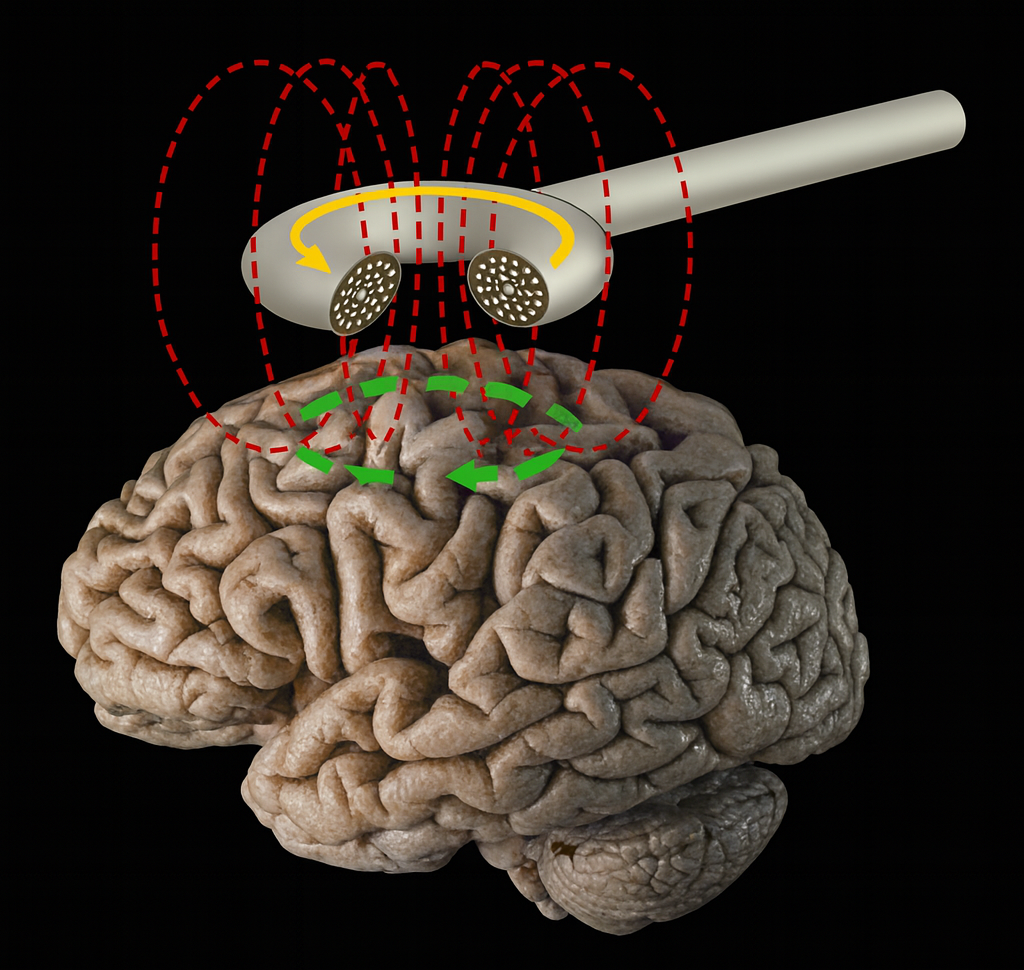
Transcranial Magnetic Stimulation (TMS) directly targets these affected areas. Using magnetic pulses, TMS safely stimulates the left dorsolateral prefrontal cortex (Left-DLPFC) — a region of the brain shown to be underactive in patients with depression. This region connects to other mood-regulating networks, so stimulating it can help restore normal brain function and reduce depressive symptoms.
Multiple studies confirm that TMS normalizes brain connectivity, enhances neuroplasticity, and helps regulate neurotransmitter systems, including those influenced by brain-derived neurotrophic factor (BDNF) and the hypothalamic-pituitary-adrenal axis — mechanisms also targeted by antidepressant medications, but without systemic side effects.
Sleep Image sleep testing

TMS Depression Treatment Without Medication Side Effects

Unlike traditional medications, TMS works non-invasively and locally, modulating brain circuits without affecting the rest of the body.

This means:

  • No weight gain
  • No fatigue or sexual side effects
  • No cognitive dulling
  • No withdrawal symptoms
Patients experience improved mood, energy, and focus — often within weeks — with little to no downtime.

What Does a TMS Session Feel Like?

During your session, a small magnetic coil is gently placed on the left side of your head. You’ll hear a clicking sound and feel a light tapping sensation as the magnetic pulses are delivered.
Each session lasts about 19 minutes and is conducted by trained staff in a comfortable setting. Most patients:
  • Watch TV or read during treatment
  • Return immediately to work or normal activities
  • Report only mild scalp discomfort (if any)
Typical treatment frequency is five days a week for six to eight weeks, with cumulative benefits that last well beyond the treatment period.

Why Choose TMS?

Depression is one of the world’s most common mental health conditions, affecting over 300 million people globally. As in the Star-D trial, unfortunately, 1 out of 3 patients does not respond to antidepressants and therapy and is considered treatment-resistant.
That’s where advanced neuromodulation therapies like repetitive TMS (rTMS), Accelerated TMS, Express TMS, and one-day 20-sessions-per-day treatments come in.
These approaches personalize stimulation based on your brain activity patterns, restoring normal function and offering new hope where medications have failed.

TMS is the 3rd pillar of treatment, and a new hope for those suffering from depression

If depression has persisted despite therapy or medication, TMS offers a proven, FDA-approved, and life-changing alternative.
At Dr. Gupta’s Sleep, TMS & Wellness Psychiatry in Great Neck, NY, our mission is to help you rediscover balance, clarity, and a renewed sense of self — safely and effectively.