TMS Neuromodulation

TMS neuromodulation (Transcranial Magnetic Stimulation) is FDA approved in US since 2008 and it is considered 3rd major pillar of psychiatric treatments when psychiatric medications and psychotherapy no longer helps. 
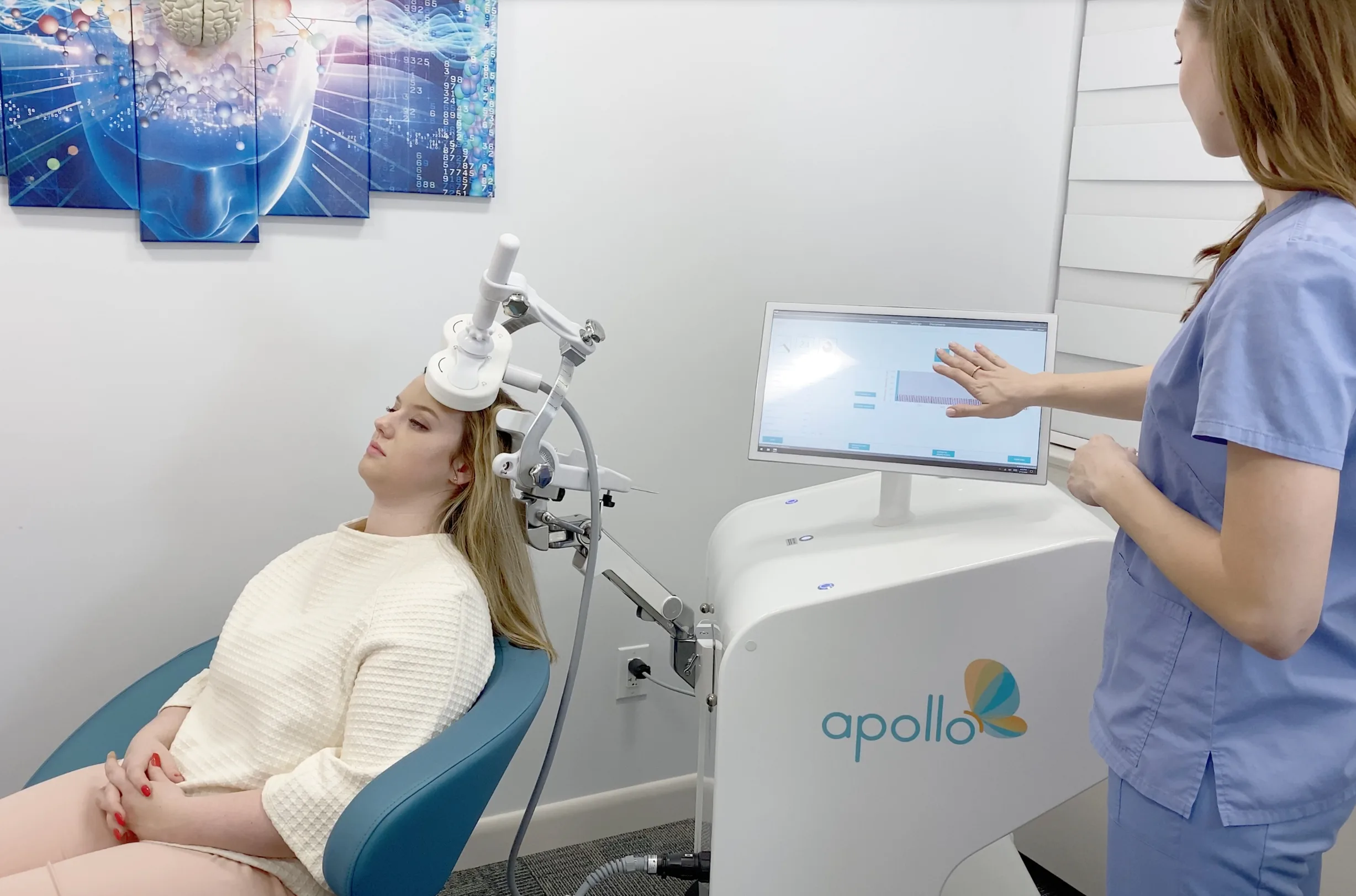
STW Psychiatry offers the state-of-the-art TMS therapy with two different TMS systems with latest technology designed for precision TMS treatments.
How TMS works on Brain Networks

How TMS Neuromodulation Works?

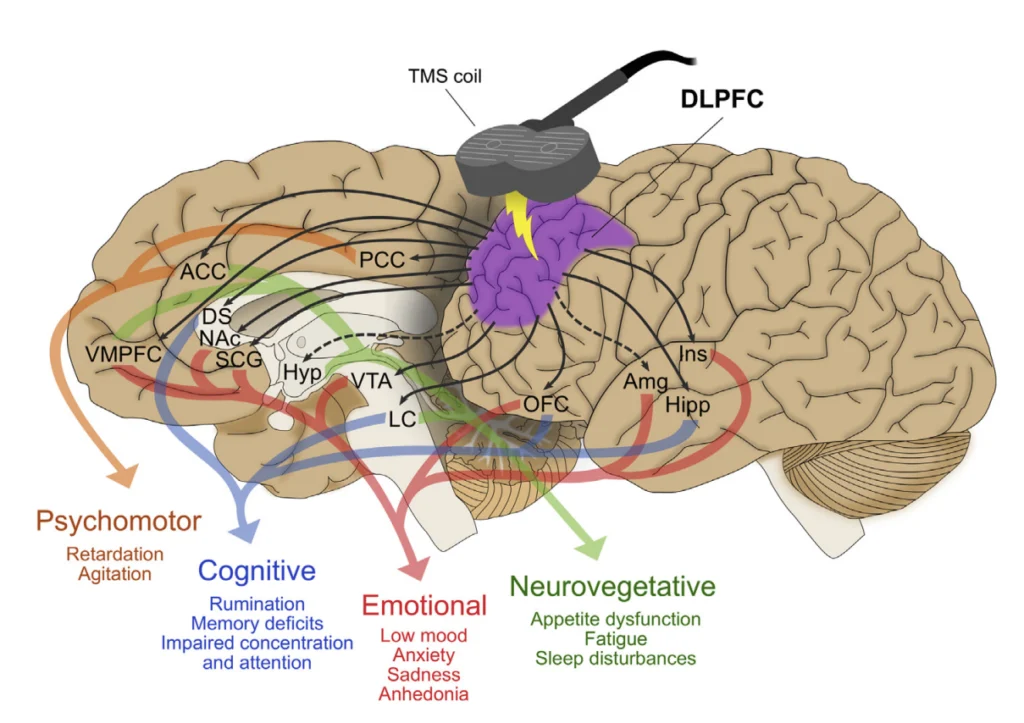
As shown in the brain networks diagram, TMS stimulates the brain region called the DLPFC and targets multiple brain networks connected with emotional regulation, cognition, bodily functions, and motor activity.
  • Safe & Painless – No surgery, anesthesia, or hospitalization required.
  • Effective – Up to 70% of patients experience significant improvement.
  • Precise – TMS targets customized based on MRI & qEEG guidelines.
  • Medication-Free – No systemic side effects or drug interactions.
  • Non-Invasive – Performed comfortably in our office while you’re fully awake and alert.

How Does It Work?

  • During treatment, a magnetic coil is placed gently on the scalp over the prefrontal cortex, the part of the brain that regulates mood.
  • The coil sends magnetic pulses that safely stimulate neural activity and restore healthy communication between brain regions involved in depression and anxiety.
  • Over time, these changes can become long-lasting, helping patients achieve sustained relief and even full remission.

Side Effects & Safety

TMS is well-tolerated with minimal side effects.
Some patients report mild scalp discomfort or a temporary headache during the first week.

The risk of seizure is extremely rare — about 0.1% per treatment course, similar to that of antidepressant medications.
Unlike medication, TMS does not cause weight gain, fatigue, or sexual side effects.

TMS vs. Electroconvulsive Therapy (ECT)

TMS uses brain stimulation of specific brain circuits only, vs. ECT, which causes whole-brain seizures.
  • No anesthesia or sedation required.
  • No memory loss or cognitive impairment.
  • No recovery time — patients can resume normal activities immediately after each session.

Who Is a Good Candidate for TMS?

TMS may be right for you if you:

  • Have depression that has not improved with medication or psychotherapy.
  • Want a non-drug treatment option.
  • Are looking for a therapy with minimal side effects and lasting results.
TMS is not suitable for individuals with certain metal implants (e.g., deep brain stimulators, cochlear implants, vagus nerve stimulators).

Advances in TMS Protocols for Depression:

  • Earliest rTMS protocol: 37-minute TMS sessions, 5 days a week, for a total of 35 sessions.
  • Standard rTMS protocol: 19-minute sessions at 10 Hz stimulation for 35 sessions.
  • Theta-burst (high-frequency): 3.5-minute sessions for 35 sessions.
  • Accelerated TMS (SAINT protocol): Longer theta-burst sessions, 10 sessions per day for 5 days (not covered by most insurance plans).
  • Single-day TMS treatment: 3-minute theta-burst sessions, 20 sessions in one day, combined with neuroplasticity-enhancing medications.
Magventure System with Atlas Neuronavigation

Why Choose TMS at STW Psychiatry?

  • State-of-art TMS systems
  • Precision TMS with MRI guided neuro-navigation
  • Enhanced precision with qEEG (Brain waves) guided TMS
  • Weekly session with Dr Gupta to maximize the therapeutic gains
  • Compassionate & caring TMS team
  • Multimodal assessments of the TMS treatment.
TMS is not suitable for individuals with certain metal implants (e.g., deep brain stimulators, cochlear implants, vagus nerve stimulators).

Take the Next Step

If depression hasn’t responded to traditional treatments, TMS Neuromodulation may be the breakthrough you’ve been waiting for. Call (516) 684-9535 to schedule your consultation with Dr. Gupta today and learn whether TMS is right for you.