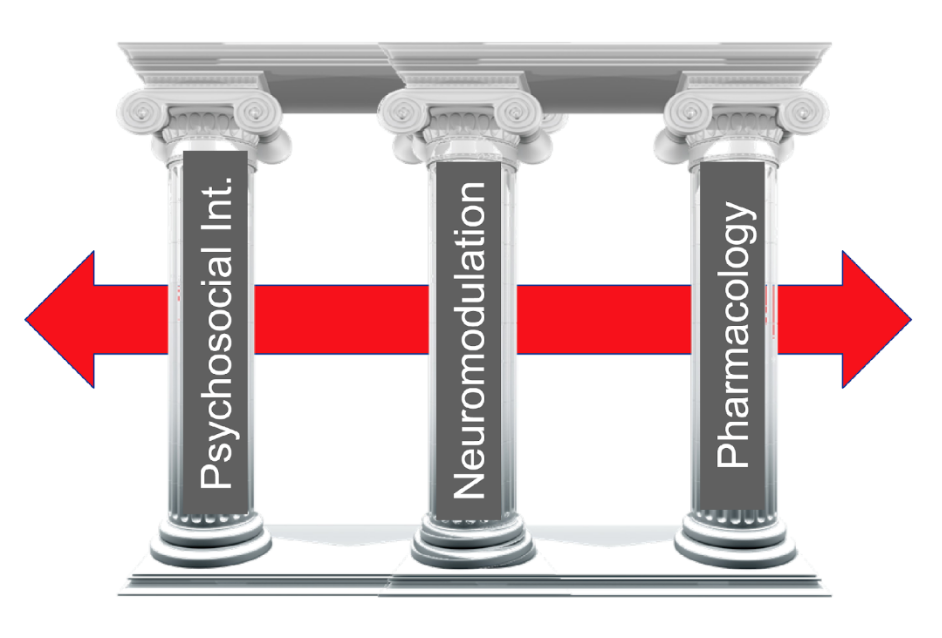
TMS Neuromodulation: Transcranial magnetic stimulation is considered the third pillar of psychiatric care after psychiatric medications and psychotherapy. It is a non-invasive treatment where MRI-strength magnetic pulses are delivered to stimulate brain regions considered underactive in depression.
As per STAR-D trial, one third of patients with depression do not respond to multiple trials of psychiatric medications and are apparently considered treatment resistant. TMS was FDA approved for depression in 2008 and OCD in 2018, and it has been a powerfully effective and safe treatment for major depressive and various other psychiatric disorders.
Treatment Highlights:
Typical sessions last 3.5 minutes to 19 minutes, and most patients undergo treatment 5 days a week for 4–6 weeks.
Improved executive functioning and a better quality of life after TMS treatment.
TMS is recommended for adults who:
TMS is not suitable for individuals with:
(not covered by insurance plans)
Developed at Stanford University, the SAINT (Stanford Accelerated Intelligent Neuromodulation Therapy) protocol is a high-dose, accelerated version of TMS.