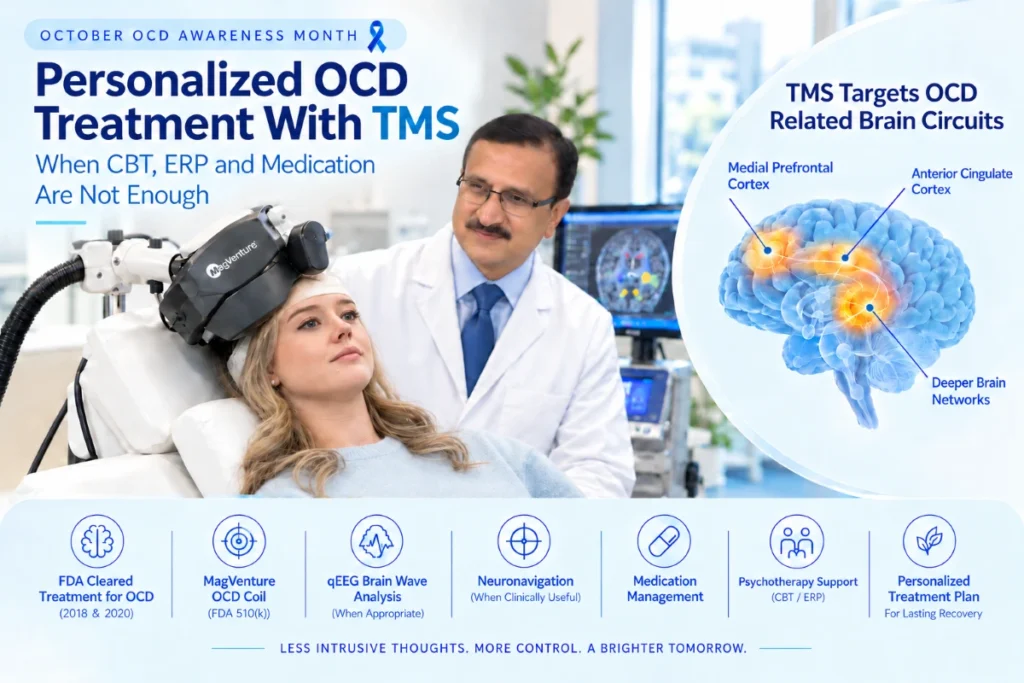
October-OCD awareness month
Obsessive compulsive disorder is often more disabling than people realize. Many patients work hard in CBT or ERP therapy, take appropriate OCD medications, and still remain trapped in intrusive thoughts, rituals, checking, reassurance seeking, avoidance, or mental compulsions. For these treatment refractory cases, TMS offers an evidence based option that can be integrated with medication management and psychotherapy while targeting the OCD brain circuit directly.
TMS for OCD first received FDA clearance in 2018. MagVenture TMS Therapy received FDA 510(k) clearance for adjunctive treatment of adult OCD in 2020. At Sleep, TMS & Wellness Psychiatry, Dr Adarsh Gupta offers personalized OCD focused TMS using the MagVenture OCD coil, qEEG brain wave analysis when appropriate, neuronavigation when clinically useful, and a combined treatment plan that may include medication optimization and psychotherapy support during the TMS course.
Why OCD Can Become Treatment Refractory
OCD is not simply overthinking or a preference for neatness. It is a brain based condition in which unwanted thoughts, urges, images, or fears create intense distress. Compulsions may reduce anxiety for a short time, but the relief does not last, and the cycle returns.
The standard treatments are exposure and response prevention therapy and medications such as SSRIs, often at higher doses than are used for depression. These treatments help many people. However, a significant number of patients continue to have symptoms despite doing therapy, taking medication, or trying several medication combinations. Some cannot tolerate medication side effects. Others understand their OCD very well but still feel unable to stop the compulsive loop.
What TMS Adds
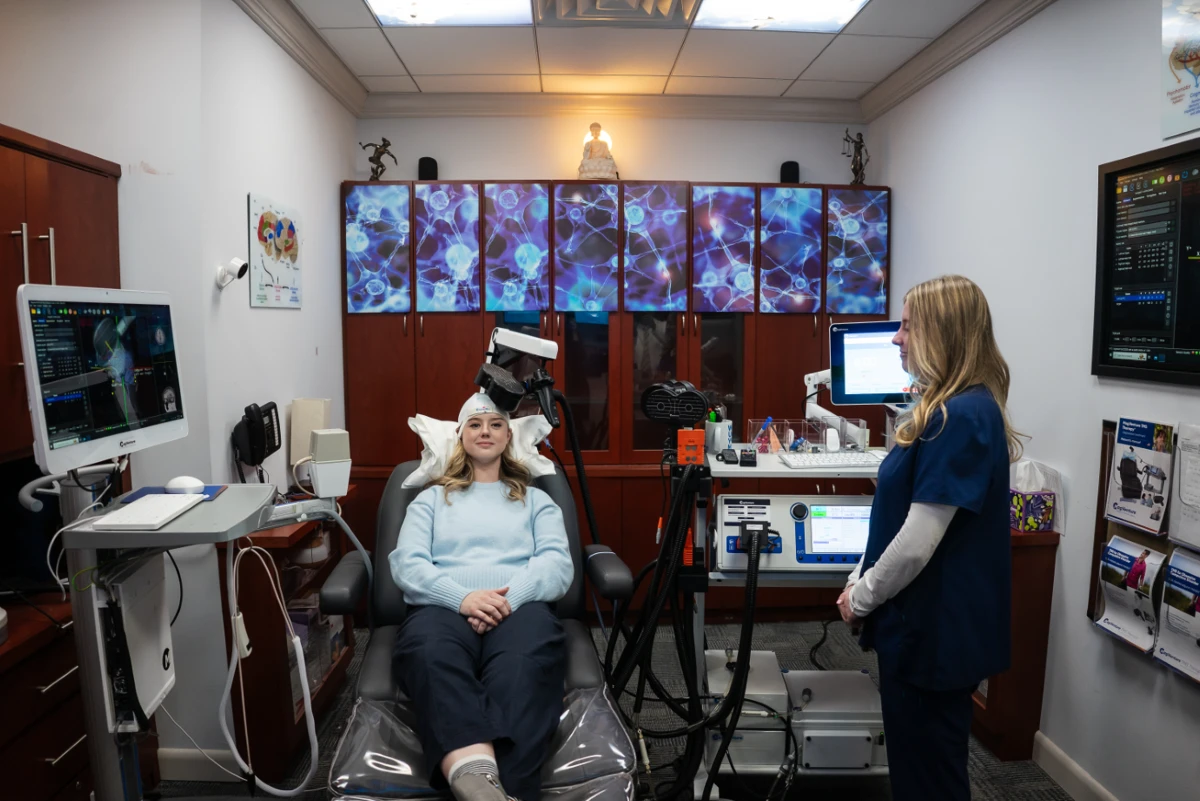
Transcranial magnetic stimulation is a non invasive treatment that uses focused magnetic pulses to modulate brain activity. For OCD, treatment is aimed at circuits involving the medial prefrontal cortex, anterior cingulate cortex, and related deeper brain networks that help drive obsessive threat signals, error signals, and compulsive urges.
This is why TMS is different from simply adding another medication. Medication works broadly through neurochemical systems. TMS works at the circuit level. It is used as an adjunctive treatment, meaning it can be combined with ongoing medication and therapy rather than replacing them.
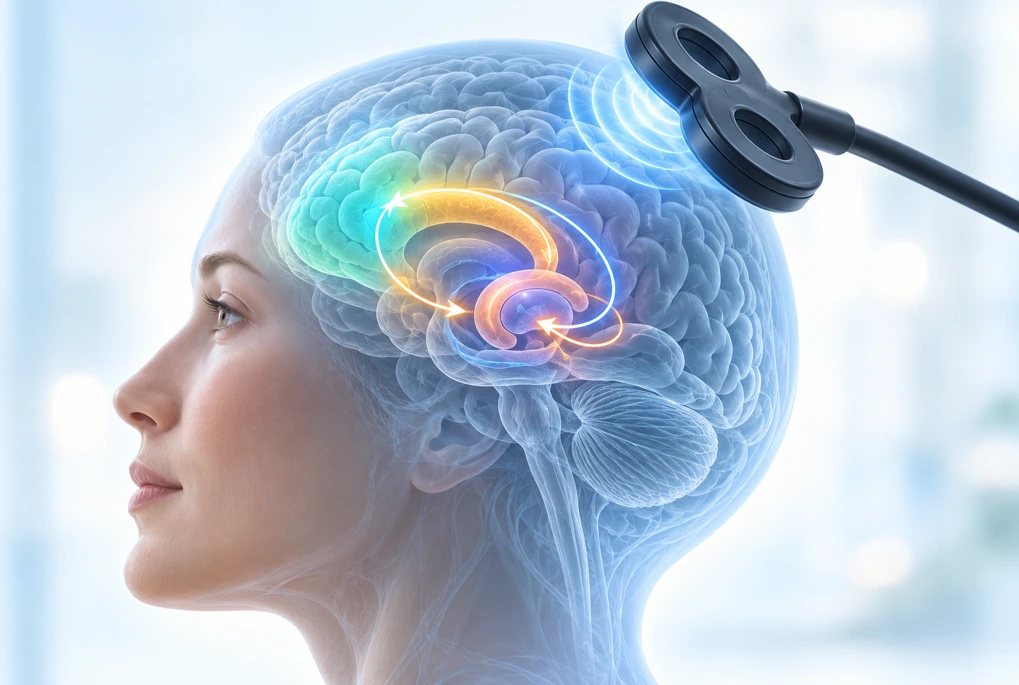
Patient education image showing TMS modulation of OCD related brain circuits.
FDA Cleared Treatment for OCD
TMS for OCD is no longer experimental. The first FDA clearance for deep TMS in OCD occurred in 2018, based on clinical trial evidence showing improvement in OCD symptom severity. MagVenture TMS Therapy was cleared by the FDA in 2020 as an adjunct treatment for adults with OCD.
In practical terms, FDA clearance means that TMS has been reviewed for safety and effectiveness for this specific clinical use. Insurance coverage for OCD varies by plan, but some patients may qualify. The office team can verify benefits and explain the prior authorization process before treatment begins.
Our Personalized OCD TMS Program in Great Neck
At Sleep, TMS & Wellness Psychiatry, OCD treatment begins with a careful psychiatric and neuromodulation evaluation. Dr Gupta reviews symptom pattern, prior medication trials, ERP or CBT history, comorbid depression or anxiety, sleep factors, medical safety considerations, and the patient’s goals for treatment.
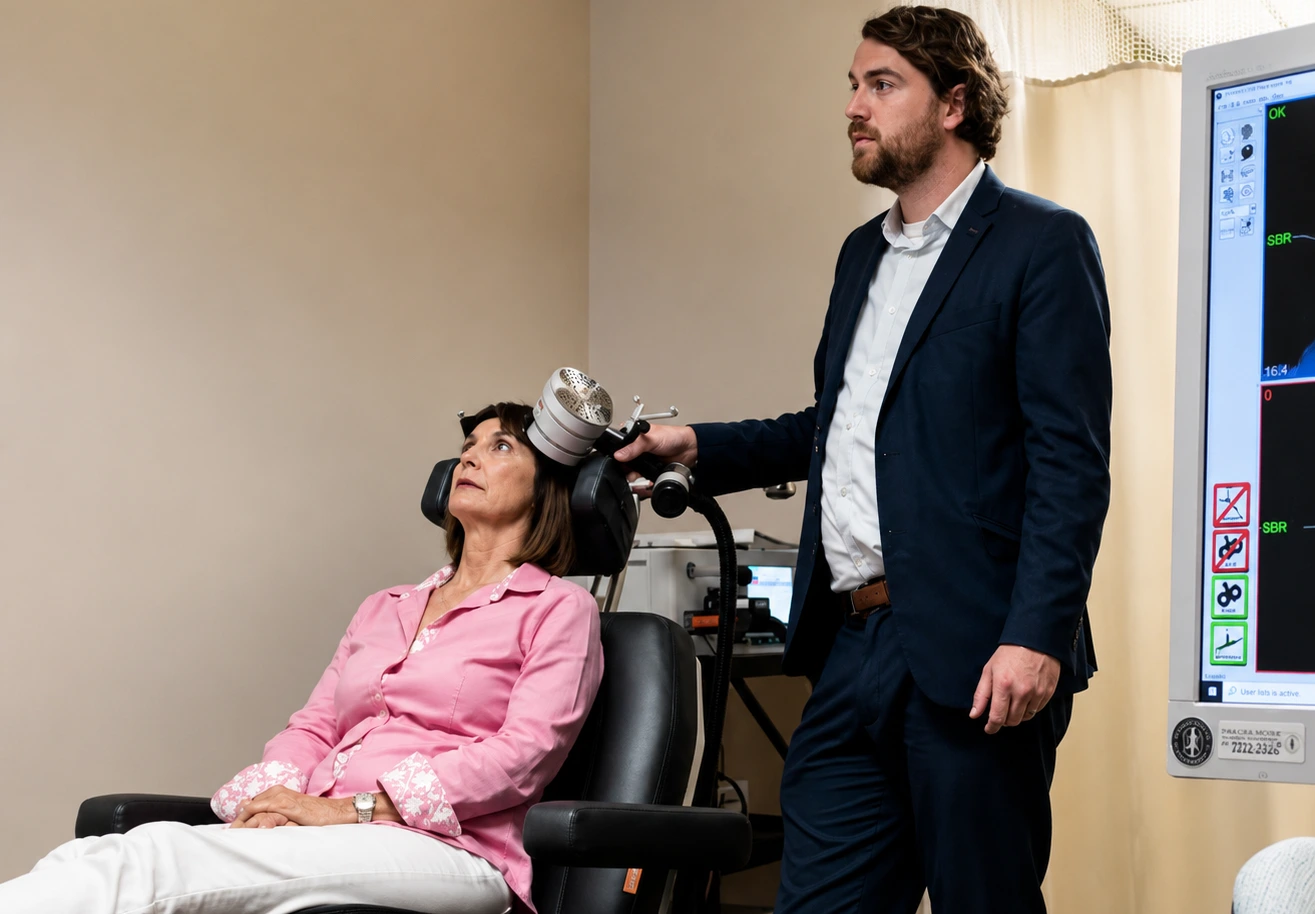
The center offers OCD focused TMS with the MagVenture OCD coil, designed for this purpose. Treatment is non surgical, does not require anesthesia, and does not cause the systemic side effects associated with medications. Patients remain awake during treatment and can usually return to normal activities afterward.
The treatment plan is personalized rather than one size fits all. When appropriate, Dr Gupta may use qEEG brain wave analysis to understand the patient’s electrophysiologic pattern and may use neuronavigation to support more precise targeting. TMS is combined with medication management and psychotherapy, including CBT or ERP based treatment, so that brain circuit modulation supports the broader recovery plan.
Accelerated OCD TMS in Selected Cases
For carefully selected patients, Dr Gupta’s office can also discuss an accelerated OCD TMS schedule. This format compresses treatment into 5 days, with 10 sessions per day, rather than spreading sessions over several weeks. This may be considered for patients with significant time constraints or clinical urgency, but it is not appropriate for everyone and requires individualized review.
Patients should also understand that accelerated OCD TMS may not be covered by insurance plans. The office can review expected costs, coverage limitations, and standard insurance-based options before treatment begins.
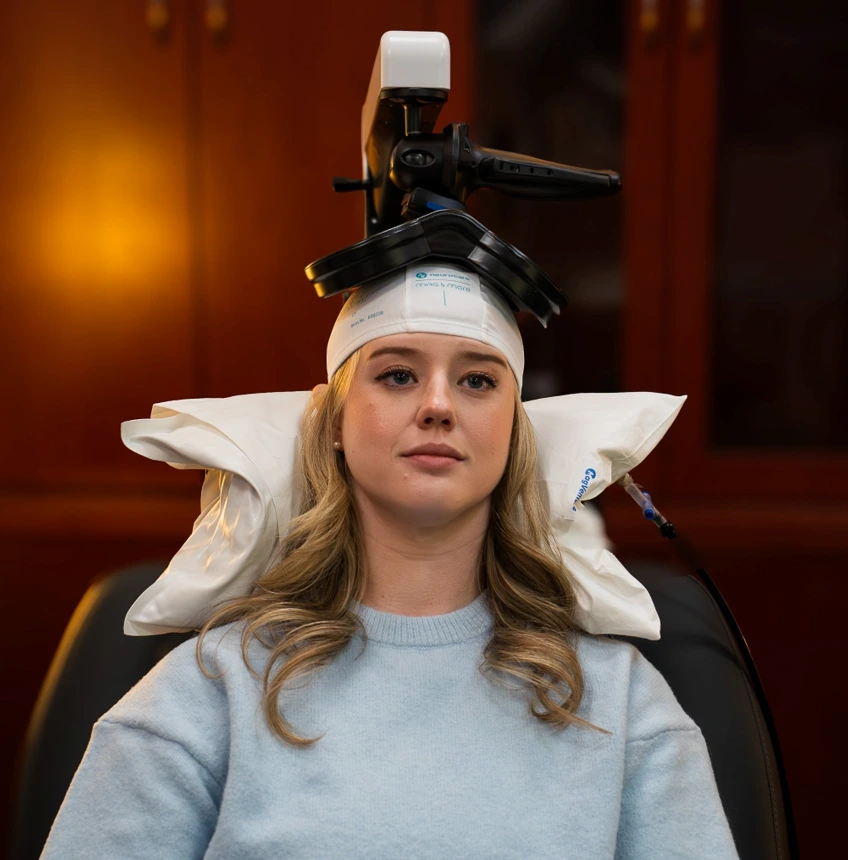
Actual MagVenture OCD coil used in Dr Gupta’s office for OCD focused TMS treatment.
Why Choose Dr Gupta's TMS Practice
OCD treatment requires more than placing a coil on the scalp. Dr Gupta’s practice combines psychiatric evaluation, neuromodulation experience, qEEG brain wave analysis, neuronavigation when appropriate, sleep medicine expertise, and careful attention to comorbid depression and anxiety. This matters because many patients with OCD have overlapping symptoms that affect treatment tolerance, response, and long term recovery.
- OCD focused TMS with a dedicated MagVenture OCD coil in the office
- Personalized treatment planning using qEEG brain wave analysis when clinically appropriate
- Neuronavigation support when useful for more precise targeting
- Experience treating treatment resistant depression, anxiety, and OCD with TMS
- Integration with medication management, CBT or ERP therapy, and sleep evaluation when needed
- Personalized protocol review rather than a one size fits all neuromodulation plan
- Local Great Neck and Long Island access with benefit verification and treatment planning support
Who May Be a Candidate
TMS is not appropriate for everyone. A consultation is needed to review seizure history, implanted devices, metal near the head, medication factors, and other medical considerations.
TMS may be worth discussing if a patient has OCD and:
- Has persistent symptoms despite ERP, CBT, medication, or combined treatment
- Has tried one or more OCD medication trials without adequate relief
- Cannot tolerate medication side effects or higher OCD medication doses
- Wants a non medication adjunct to strengthen the overall treatment plan
- Has intrusive thoughts or compulsive urges that impair daily functioning
What Patients Often Want to Know
Does TMS replace ERP therapy or medication? No. For OCD, TMS is usually used as an adjunctive treatment. Many patients continue therapy and medication while adding TMS, and the goal is to make the broader treatment plan more effective.
Is TMS painful? Most patients feel tapping or pulsing sensations at the scalp. Side effects are usually mild and temporary, such as scalp discomfort or headache.
How soon can symptoms improve? Improvement is usually gradual. Some patients notice less intensity of intrusive thoughts, less urgency to perform compulsions, or more ability to use ERP skills.
Take the Next Step
If OCD continues to interfere with your life despite therapy, medication, or both, a TMS consultation can help determine whether this FDA-cleared treatment is appropriate for you. Sleep, TMS & Wellness Psychiatry offers personalized OCD-focused TMS treatment in Great Neck for patients across Long Island and the New York area.
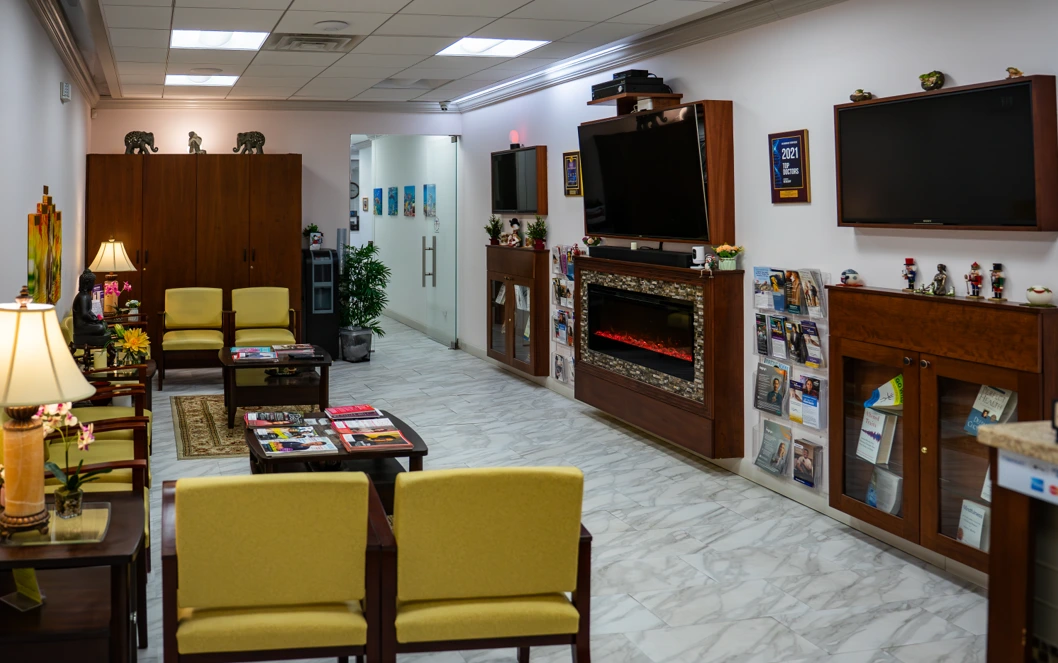
Contact Sleep, TMS & Wellness Psychiatry
Phone: (516) 684-9535
Website: www.dragupta.com
Office: 560 Northern Blvd, Suite 206, Great Neck, NY 11021
Medical disclaimer: This article is for educational purposes only and does not replace medical advice. Individual results vary. A clinical evaluation is required to determine whether TMS is appropriate for a specific patient.